
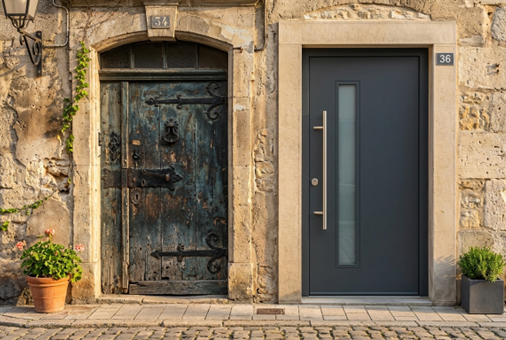
A Habitat Balance Conversation Starter
At first glance, old buildings can feel like constraints. Low ceiling heights. Thick structural walls. Irregular layouts. Materials that don’t behave like modern systems. Limitations everywhere you look but step closer and the question becomes more interesting.
Are these limitations actually the beginning of better design?
I have a strong opinion on this. Old buildings are not just structures. They are part of the story of life happening within them and around them. To knock something old down completely to build something new would be a shame. A real shame. Every wall that comes down takes something with it that can never fully be replaced.
Why This Question Matters
If you’re planning to build, renovate, or even just dream about your future home, this question sits quietly beneath many of the decisions you’ll make.
Do you start from scratch, where anything feels possible?
Or do you work within something that already exists… something with structure, history and boundaries?
Old buildings force decisions. New buildings offer freedom. Both come with hidden trade-offs.
The Case Against
Working with an existing structure can be frustrating. Structural walls that can’t be moved. Window placements that don’t match modern living. Energy inefficiencies. Outdated proportions that make no logical sense until you understand the life that once moved through them. Sometimes the cost of adapting an old structure exceeds the cost of building new. So yes, old buildings can limit creativity, especially if your vision depends on total freedom.
The Case For
Constraints don’t kill creativity. They focus it.
When you can’t do everything, you’re forced to think more deeply about what actually matters. An immovable wall becomes a design anchor. An awkward layout becomes an opportunity for something unexpected. Instead of designing endlessly, you begin editing. Refining. Prioritizing.
My personal dream is to find something old that nobody sees potential in. Keep as much as possible. Build new only where necessary. That tension between preservation and transformation is where the most interesting design lives.
What Old Buildings Give You
New homes give you control. Old homes give you character and character cannot be fully recreated. The proportions of older spaces. The way light enters through existing openings. The subtle imperfections that took decades to develop. These things bring depth that new construction often tries to imitate and rarely achieves. Reusing an existing structure is also one of the most sustainable choices you can make. The energy and materials already invested don’t disappear, they carry forward. Old buildings don’t limit creativity, they redefine it. Instead of asking what can I build, you start asking what can this become. That constraint produces something more honest than a blank canvas ever could.
This Month’s Letters of Appreciation
This question isn’t just theoretical for me.
This month’s house feature is exactly this story. An owner who found something old, saw what most people couldn’t, and kept as much as possible. My letter of appreciation goes to that owner. Not for the renovation. For the decision not to erase everything. That piece is coming soon.
Bringing It Back to You
Do you want a blank canvas or a conversation with the past?
One gives you total freedom. The other might give you something better. Direction.
If you had to choose, would you rather design within the constraints of an old structure or start completely from scratch? And why?
No wrong answers…leave a comment or hit reply to the newsletter. I’d genuinely like to know.


Leave a Reply