
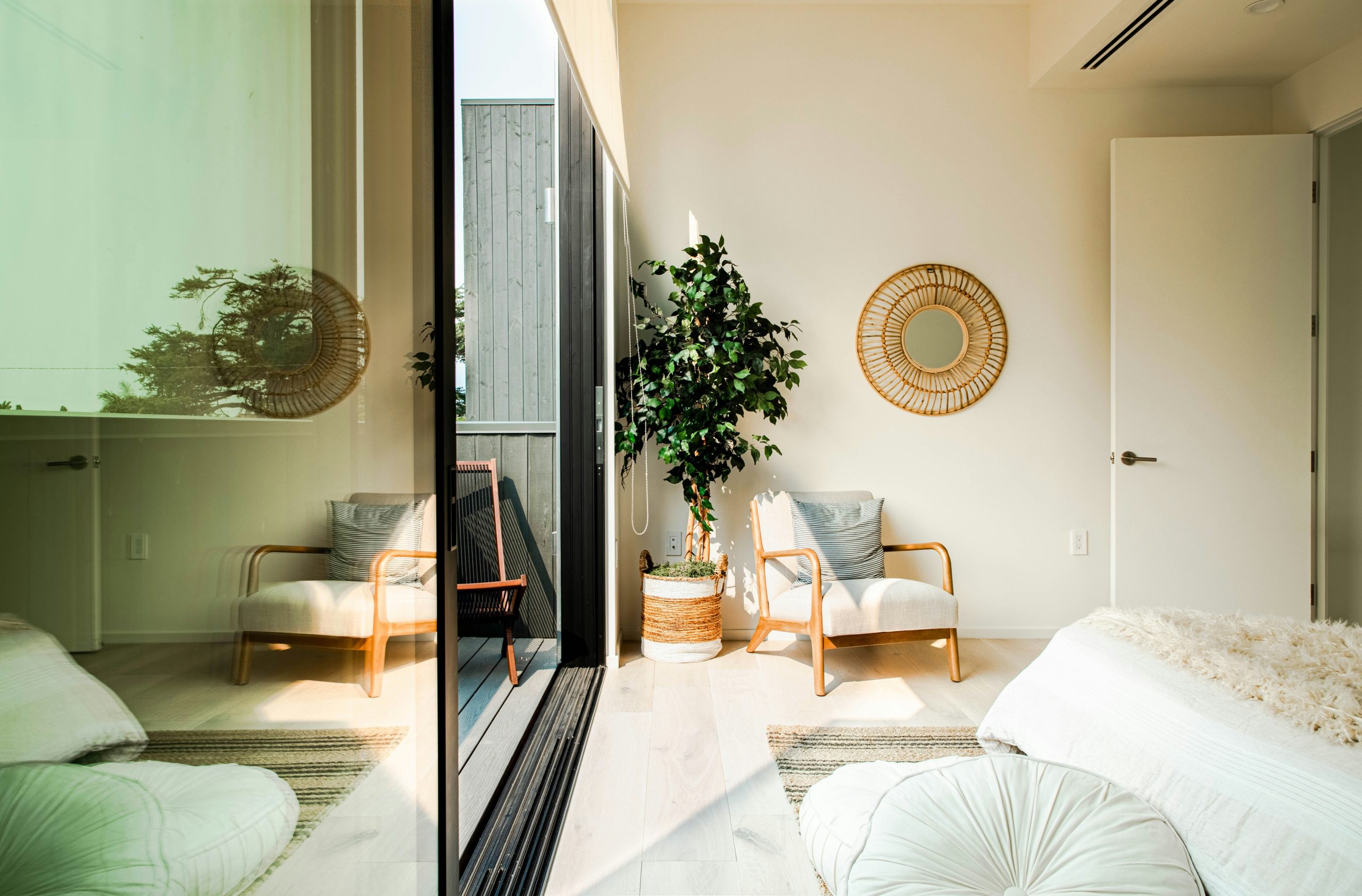
We often think about mental health in terms of habits – what we eat, how we sleep, how much we move. But there’s another influence that quietly shapes how we feel every single day: the spaces we live in.
Our homes aren’t just containers for our lives. They affect our mood, our energy, our focus, and even how we relate to ourselves and others. The good news? Supporting your mental health doesn’t require a new house or a major renovation. Small, thoughtful design choices can make a real difference.
Here are three simple ways your home design can support your mental well-being, starting right where you are.
1. Light Changes Everything
Natural light is one of the most powerful and overlooked element of a healthy home.
Spaces filled with daylight tend to feel calmer, more open, and more energizing. Exposure to natural light helps regulate our sleep cycles, supports focus during the day, and can positively affect mood. On the other hand, dark or poorly lit spaces can feel heavy, closed off, or draining over time.
You don’t need floor-to-ceiling windows to benefit. Small changes help:
- Open curtains or blinds as early as possible in the day
- Place seating or work areas closer to windows
- Use warm, layered lighting in the evenings instead of harsh overhead lights
Light sets the tone for how a space feels and how we feel within it.
2. Less Clutter, More Calm
Clutter isn’t just visual, it’s mental.
When a space is constantly overflowing with unfinished projects, excess objects, or items without a home, it can quietly add stress and distraction. A calmer environment often leads to a calmer mind.
This doesn’t mean your home needs to be minimal or perfect. It means being intentional. Ask yourself:
- Do I enjoy seeing this every day?
- Does this item support how I want to live?
- Does this space feel easy to exist in?
Even small resets matter. Clearing one surface. Creating a simple storage solution. Letting a room breathe. These changes create mental space, not just physical space.
3. Natural Materials Ground Us
There’s a reason we’re drawn to wood, stone, linen, clay, and other natural materials. They connect us, subtly, back to nature.
Homes filled only with synthetic finishes can feel cold or overstimulating over time. Introducing natural textures adds warmth, depth, and a sense of grounding that supports emotional well-being.
This can be as simple as:
- A wooden table or shelf
- Linen or cotton fabrics
- Stone, ceramic, or clay objects made by hand
These materials age beautifully and remind us that imperfection and time are part of life, something our minds often respond to without us even realizing it.
Why This Matters
Mental health isn’t built in one big moment. It’s shaped by the small, repeated experiences of everyday life.
Your home is where you wake up, unwind, think, rest, and reset. When your space supports you, rather than drains you, it becomes a quiet partner in your well-being.
At Habitat Balance, we believe good design isn’t about size, trends, or status. It’s about creating spaces that help us feel more grounded, more present, and more connected to ourselves.
A Thought to Leave You With
The most meaningful changes are often the simplest ones.
If you could improve just one thing in your home this week: more light, less clutter, or a touch of nature, what would it be?
Small steps count. And they add up.
Try and let us know how it worked for you.
Leave a Reply